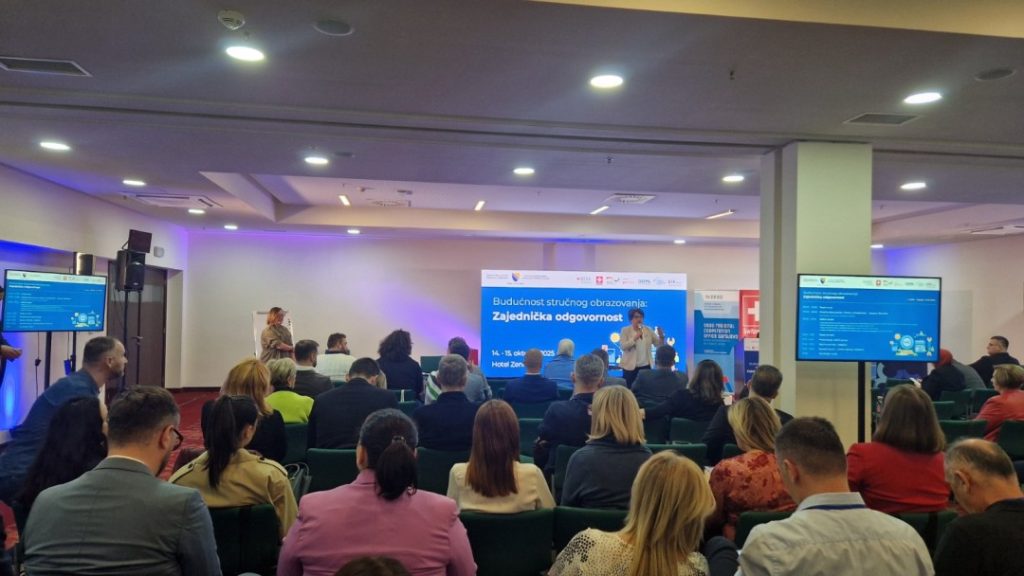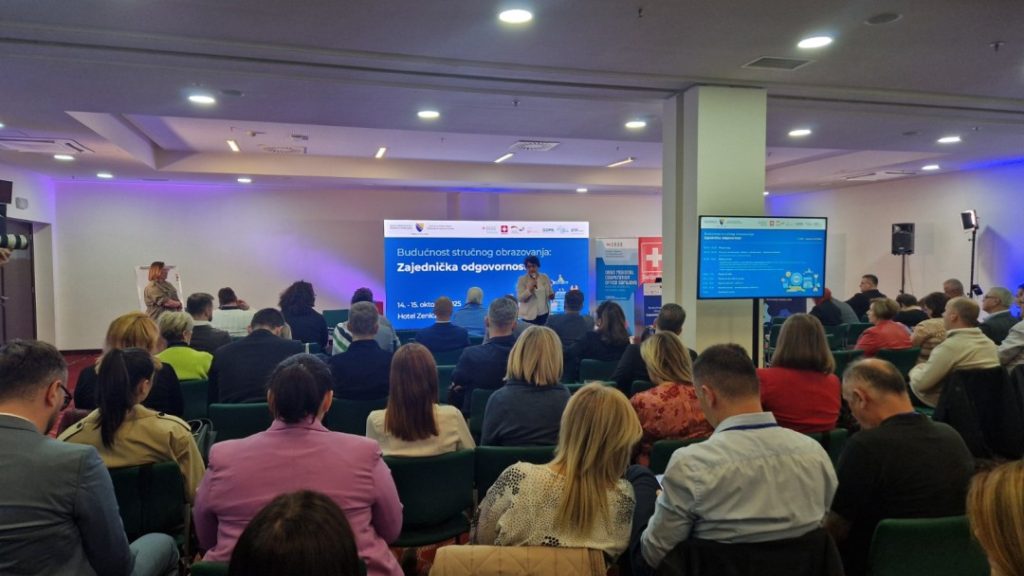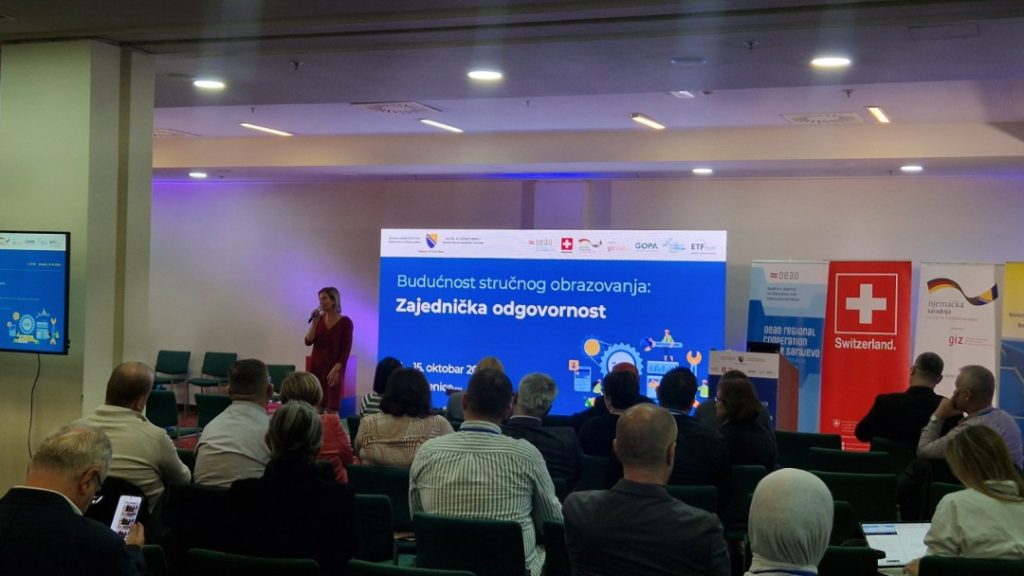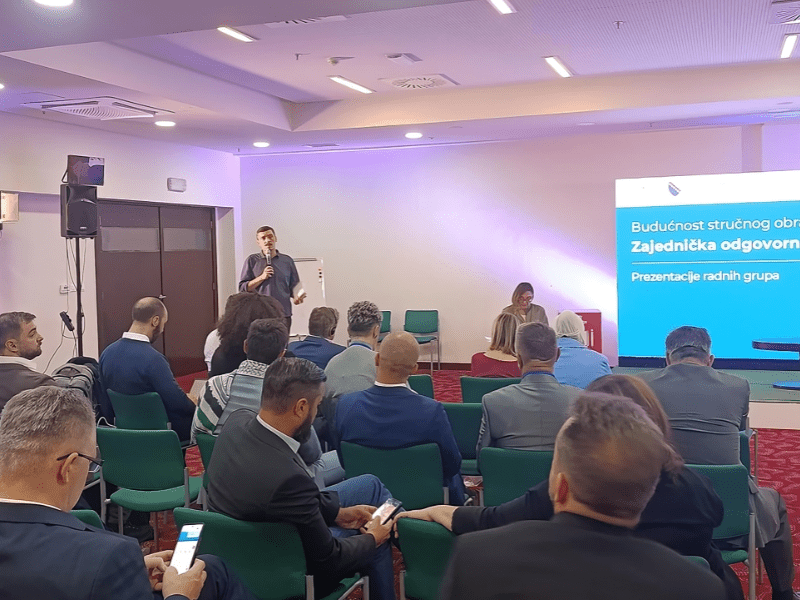
The second day of the conference was marked by interactive sessions, working groups, and the concretization of conclusions regarding the future development of vocational education and training in Bosnia and Herzegovina. Building on the success of the first day, the focus shifted to identifying key priorities, exchanging international experiences, and strengthening partnerships between the education system, the economy, and international projects.
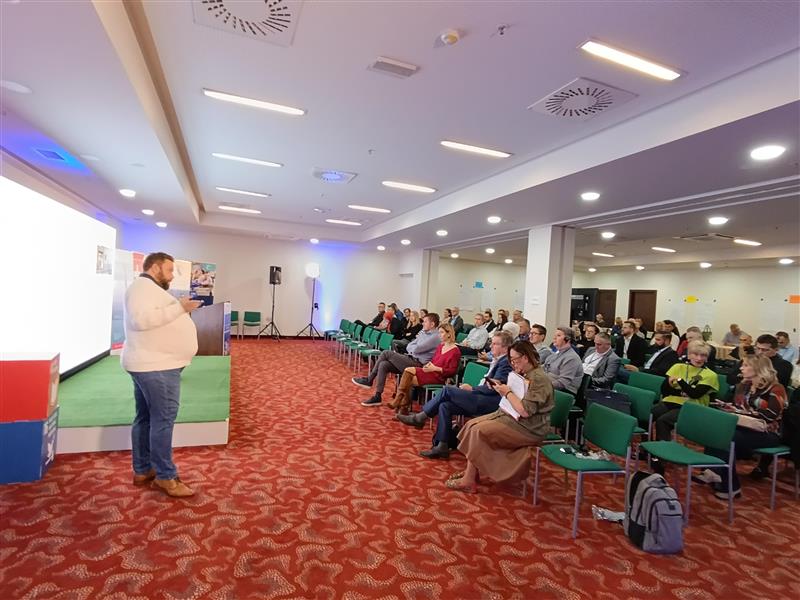
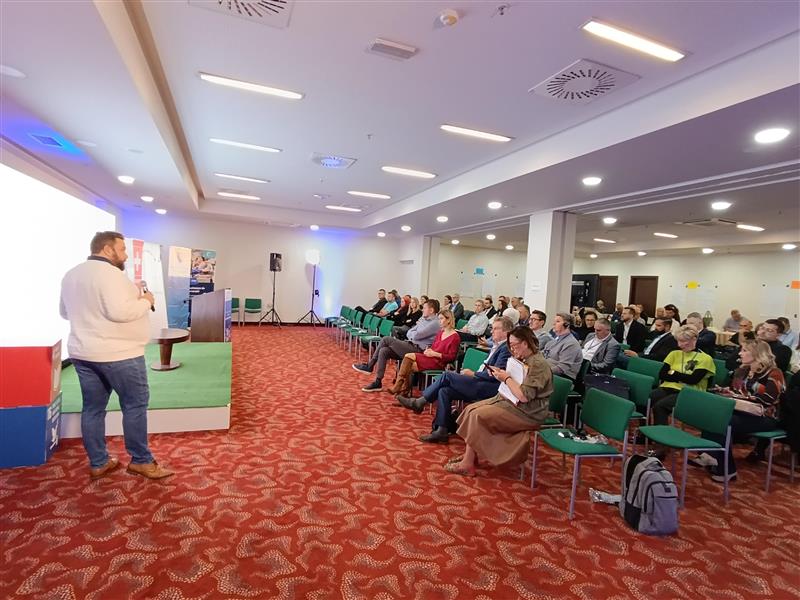
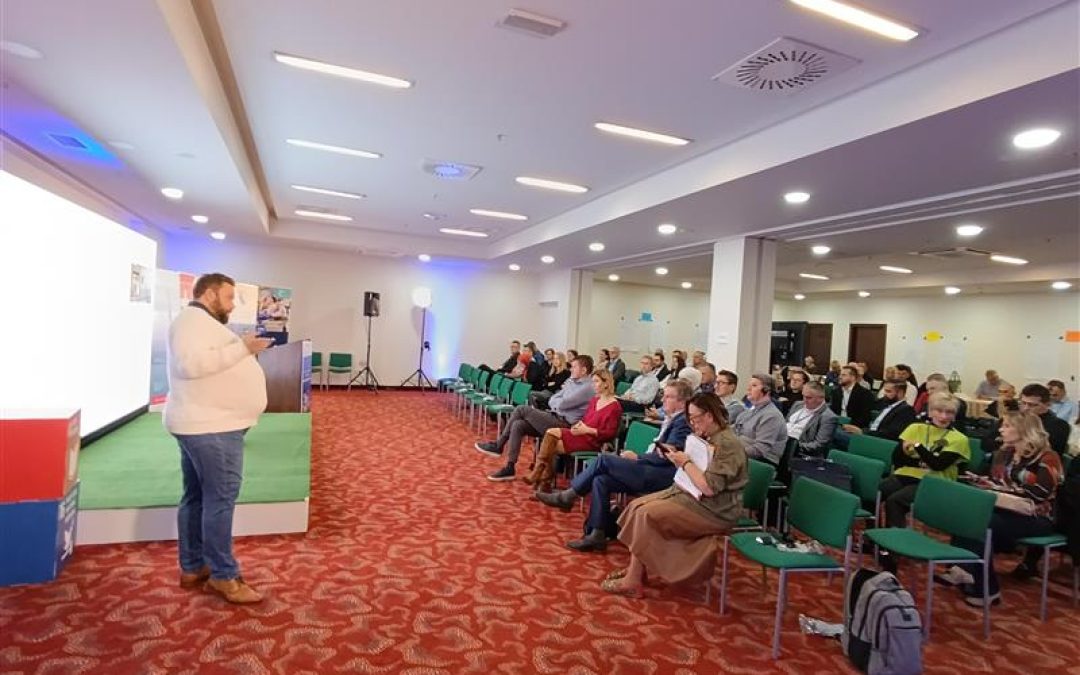
The introductory part of the program featured Mr. Karol Jakubik, an international expert from Slovakia, who delivered an inspiring lecture entitled “Vocational Education and Training for the Future – The Experience of Slovakia.” In his presentation, Mr. Jakubik outlined the Slovak model for vocational education reform, placing particular emphasis on cooperation between schools and industry, the development of centers of excellence, and the role of dual education. He highlighted that the success of any reform in this area is possible only through the active involvement of the business sector and the continuous adaptation of curricula to meet labor market needs. Following his presentation, an interactive discussion took place, during which Mr. Jakubik answered questions about the practical implementation of the European model and its potential application in the context of Bosnia and Herzegovina.
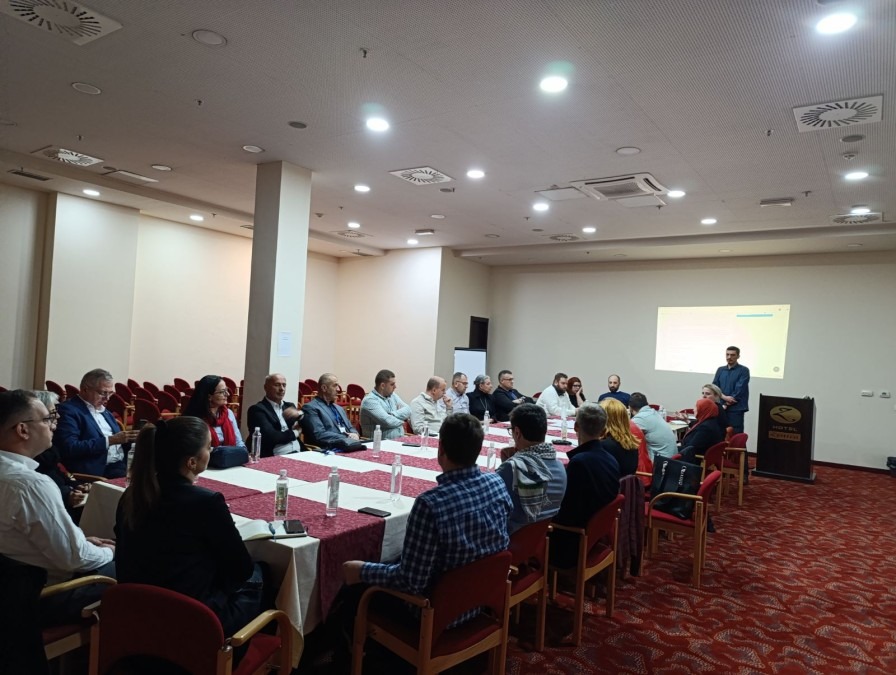
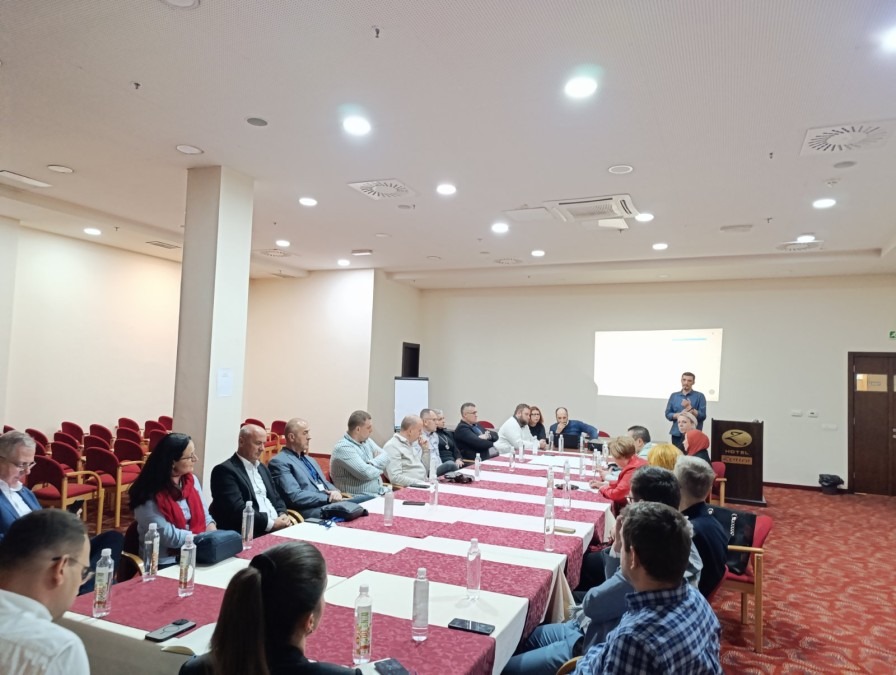
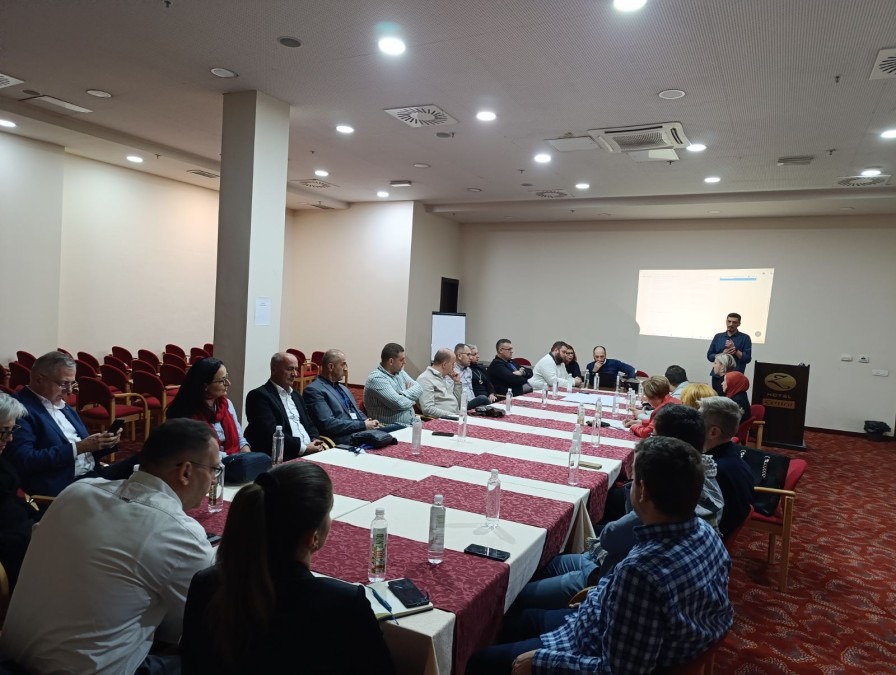
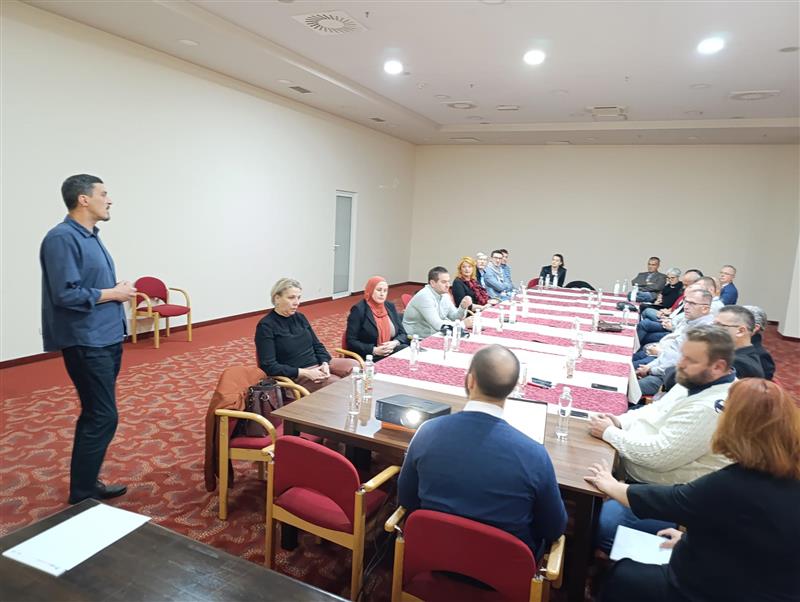
The working part of the day continued in four thematic groups, each addressing different aspects of promoting vocational education:
- Defining Key Priorities for the Future of Vocational Education and Centers of Excellence: Co-led by Mr. Jan Peter Gunther De Otero, Mr. Karol Jakubik, and Mr. Eldin Sarajlić, this group focused on preparing proposals for the development of sustainable models for centers of excellence, emphasizing the need to strengthen institutional cooperation and ensure the financial sustainability of these initiatives.
- Leveraging Project Potential for Schools: Led by Mr. Sven Dominković and Mr. Momir Širko, this group analyzed how existing and future projects can contribute to curriculum modernization and the strengthening of teacher capacities.
- The Role of Chambers of Commerce in Vocational Education and Training: Moderated by Mrs. Tina Saric and Mr. Kurt Schmid, this group discussed proposals for strengthening the role of chambers of commerce in planning and implementing practical training.
- Artificial Intelligence in Action: From Tools to Transformation in Vocational Education: Led by Mr. Gradimir Stanković, this group analyzed how AI can enhance learning processes, assessment, and the professional development of both teachers and students.
After a coffee break, the working groups presented their main conclusions and recommendations. In the final part of the conference, the key messages were summarized and the next steps defined.
This two-day event confirmed that the future of vocational education is a joint responsibility of all stakeholders—from educational institutions and authorities to the business sector and international partners.