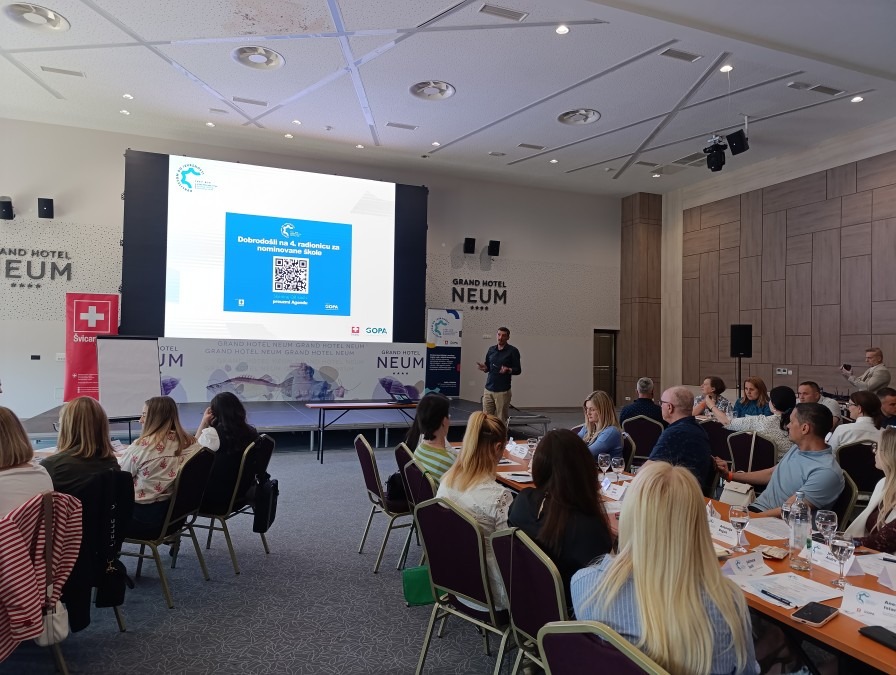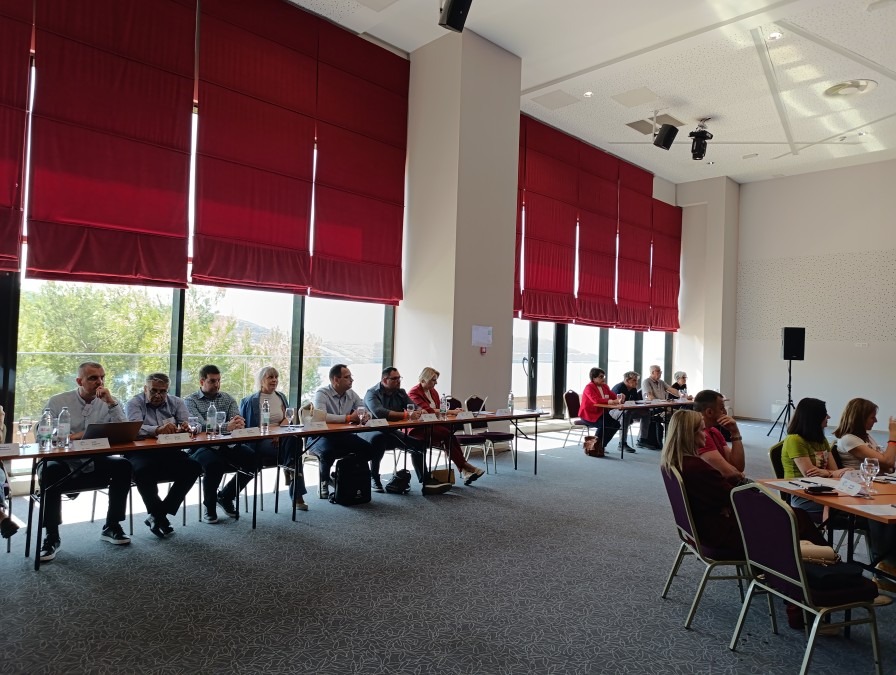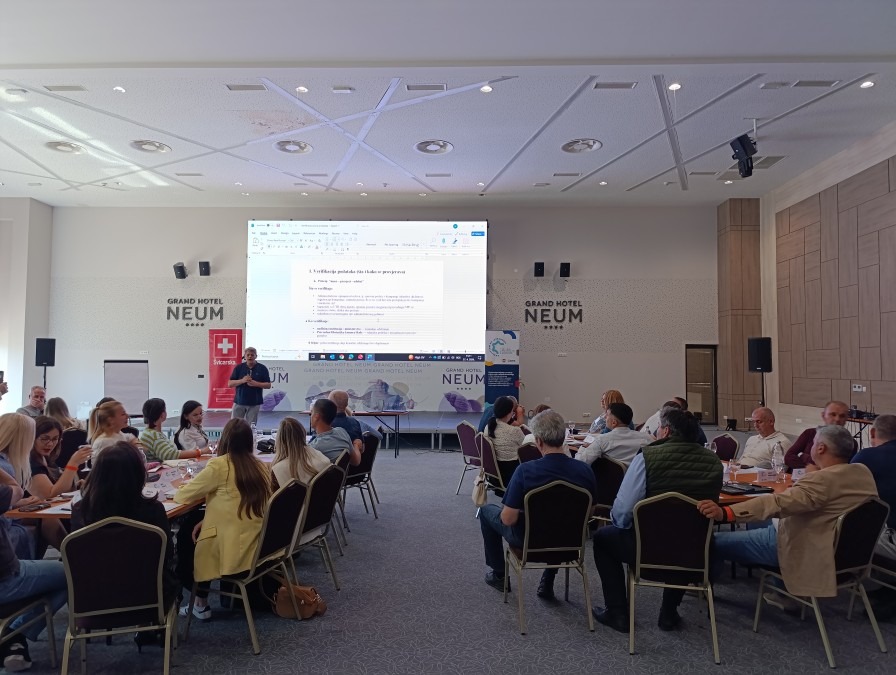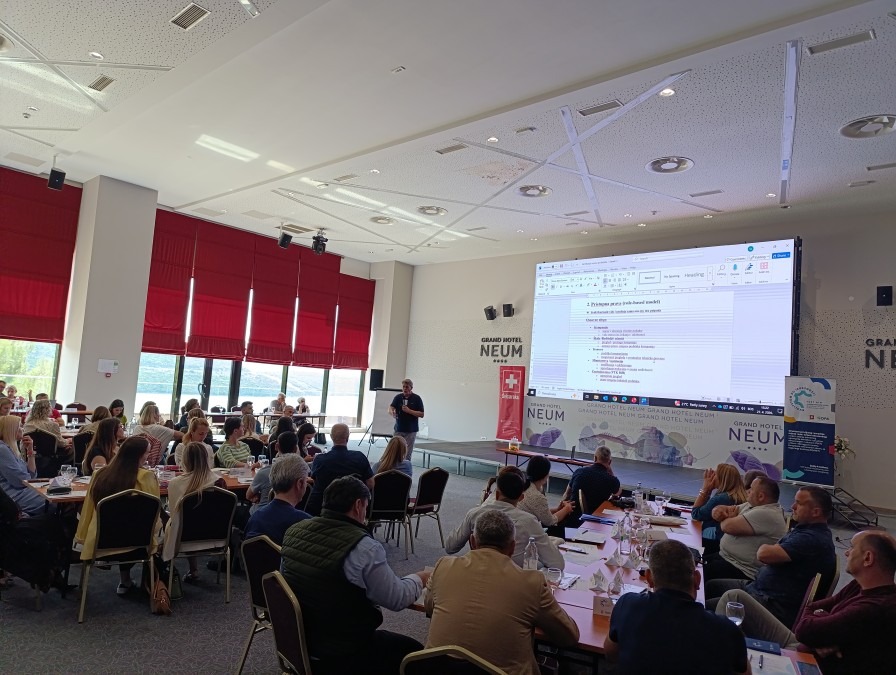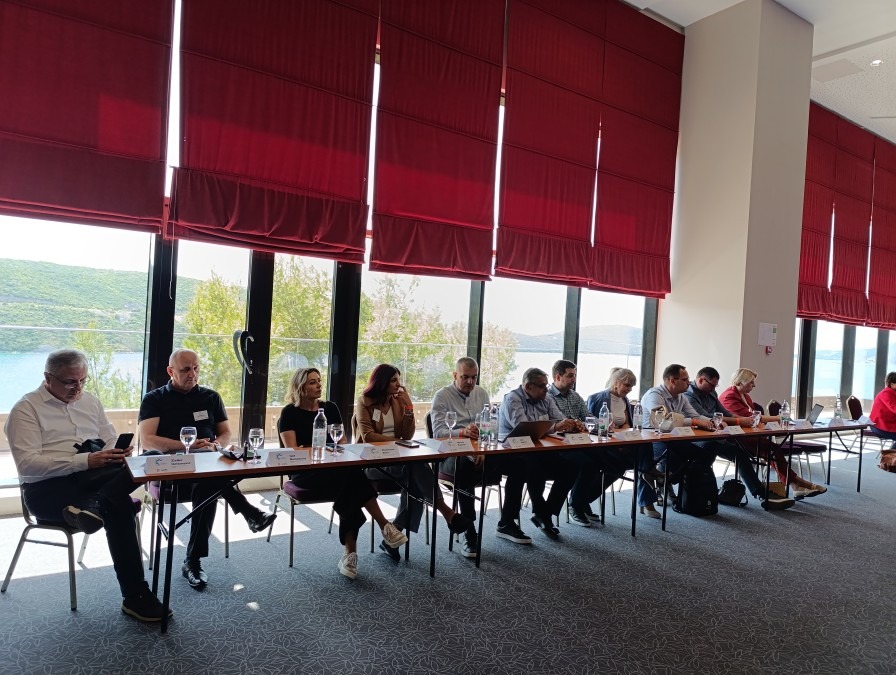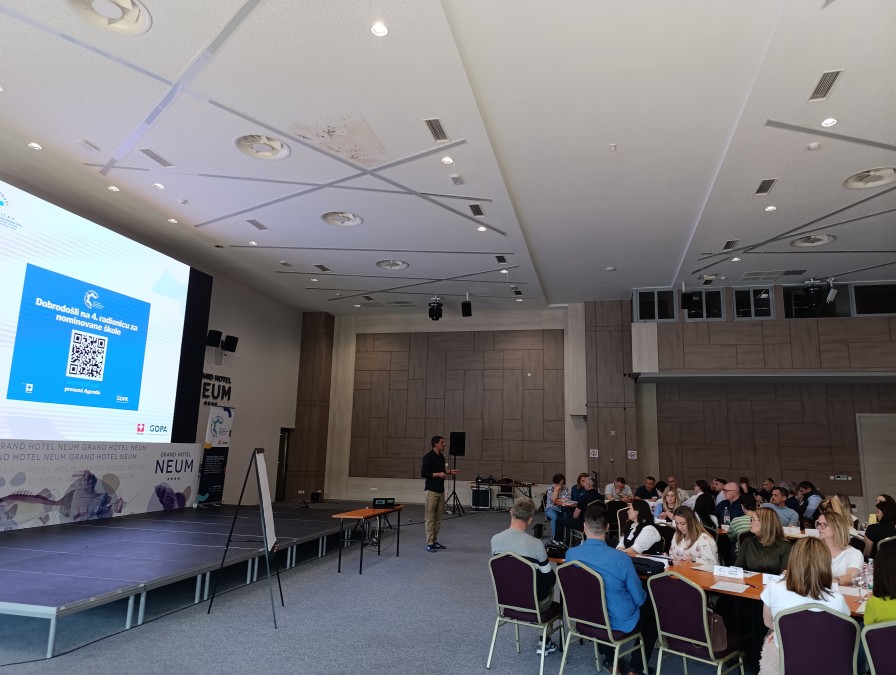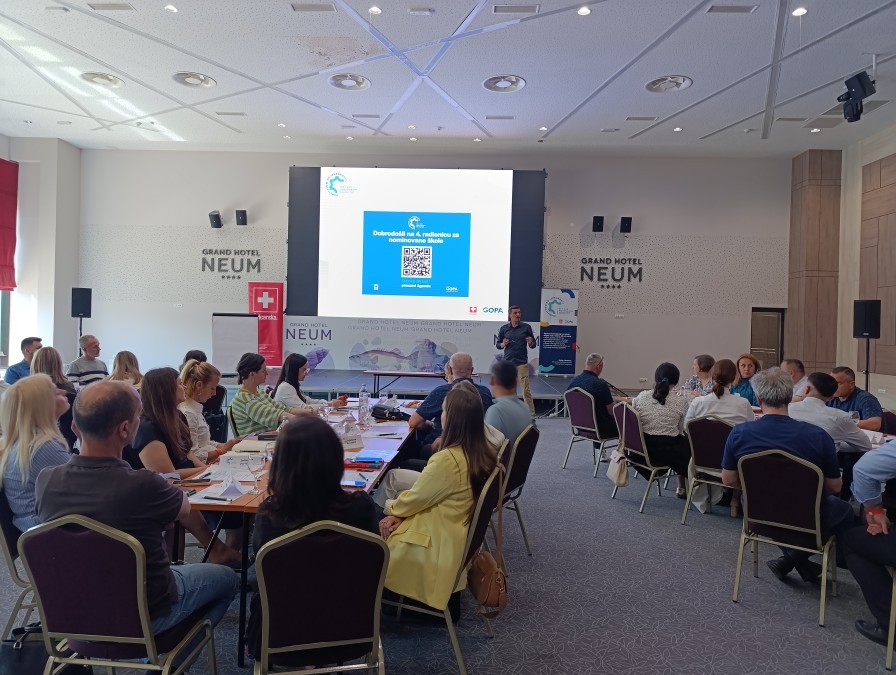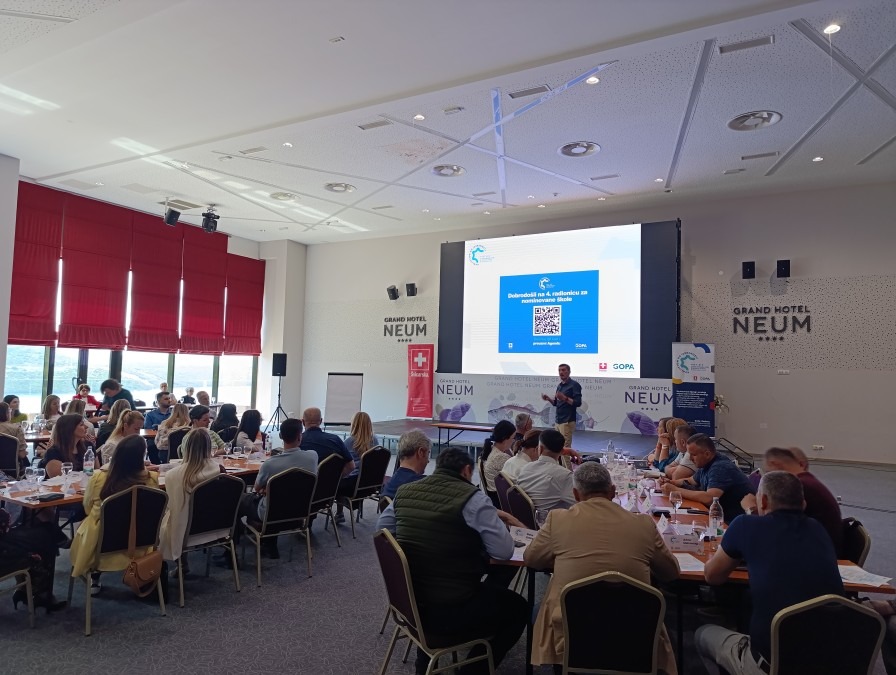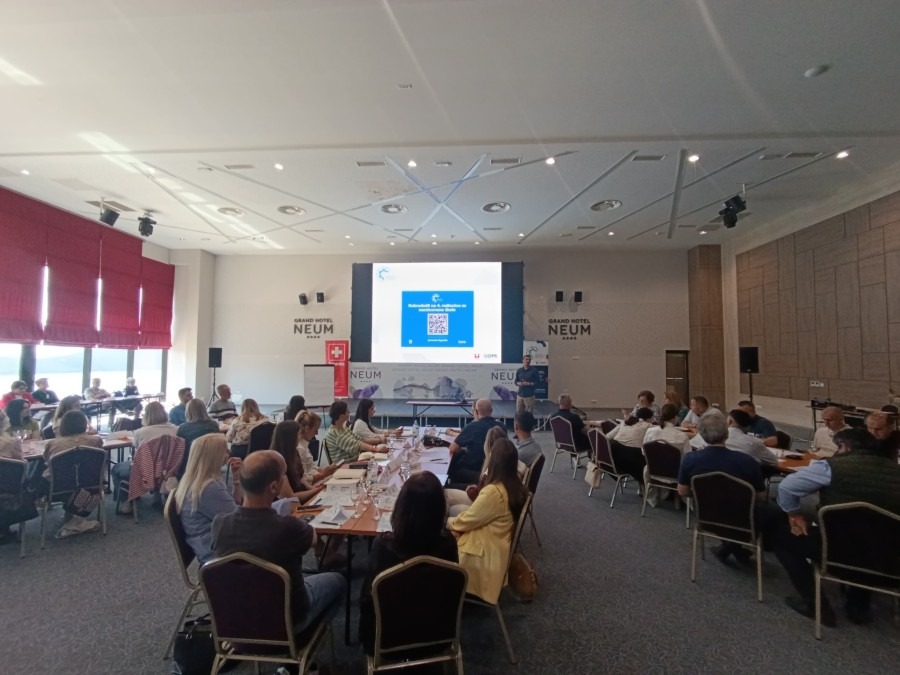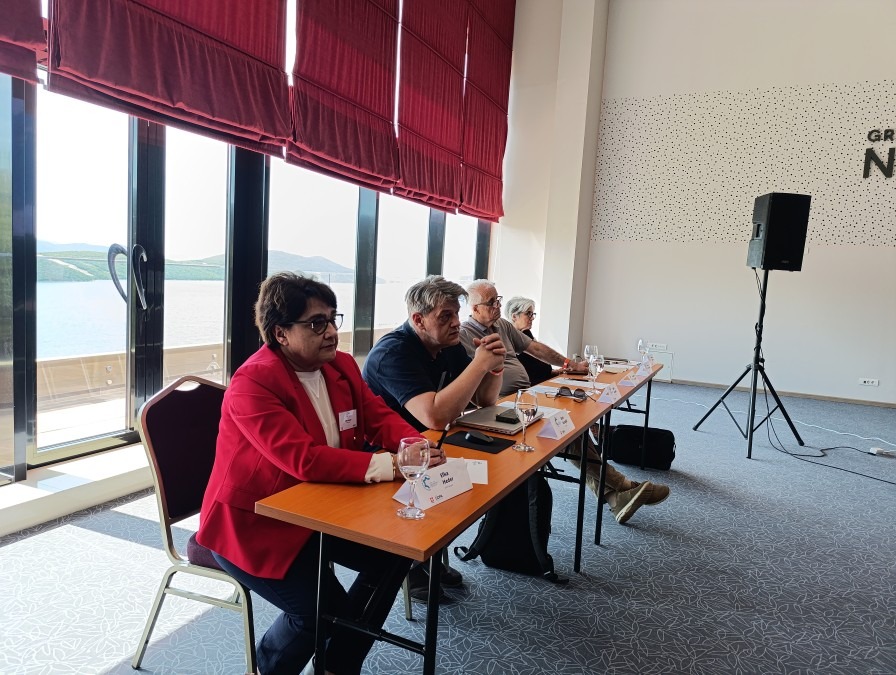
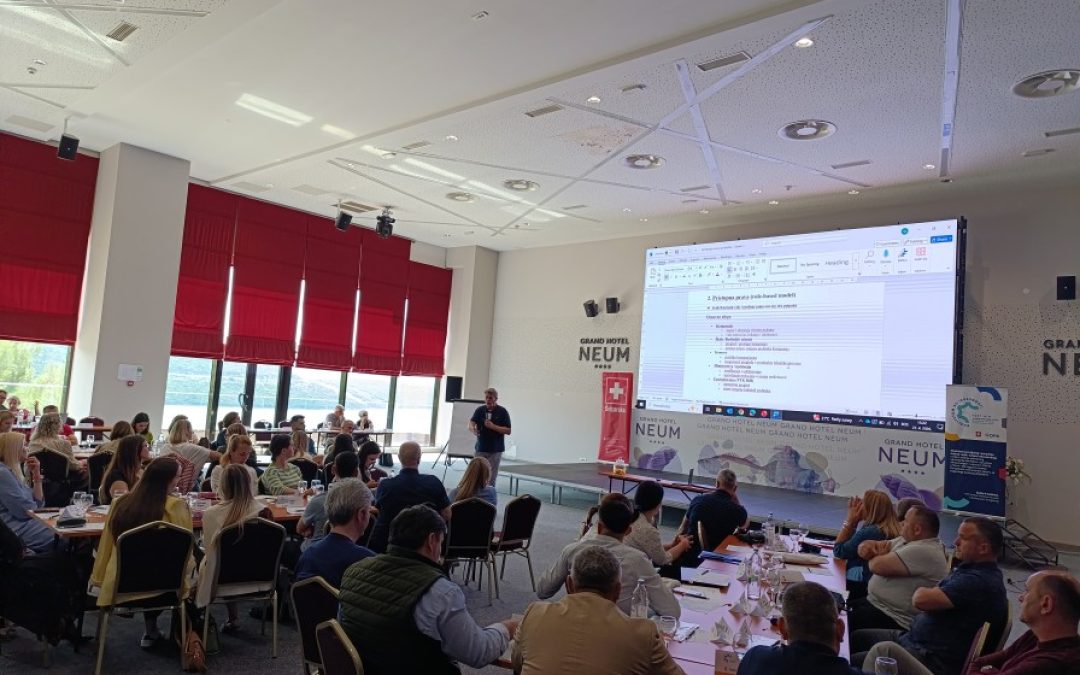
Neum, 27 April 2026 – Today in Neum the fourth three-day workshop begins within the project “Strengthening the Technical and Vocational Education and Training System in Bosnia and Herzegovina”, dedicated to improving quality assurance in secondary vocational education in line with EQAVET.
The workshop brings together representatives of nominated schools, experts and representatives of cantonal ministries of education and education departments, as well as representatives of the Swiss Agency for Development and Cooperation (SDC) in Bosnia and Herzegovina. This mix of participants ensures that decisions and recommendations are informed by practice, policy, and international standards, and that results quickly find their way into classrooms and school workshops.
Over three days, participants will, through interactive activities and teamwork, cover the following topics:
- Reflection on action plans, exercise, presentations by school teams
- Mentors’ reflections on the presentations and action plans
- The process and steps for revising curricula
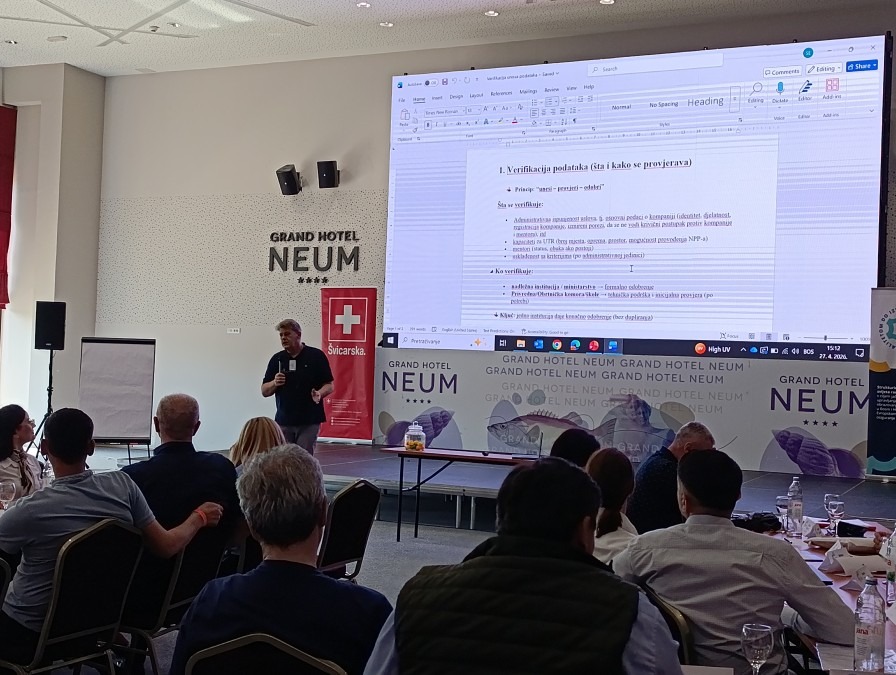
- The importance of self-evaluation and its linkage with external evaluation
- Preparation for peer learning and exchange – defining goals, activities, and budget
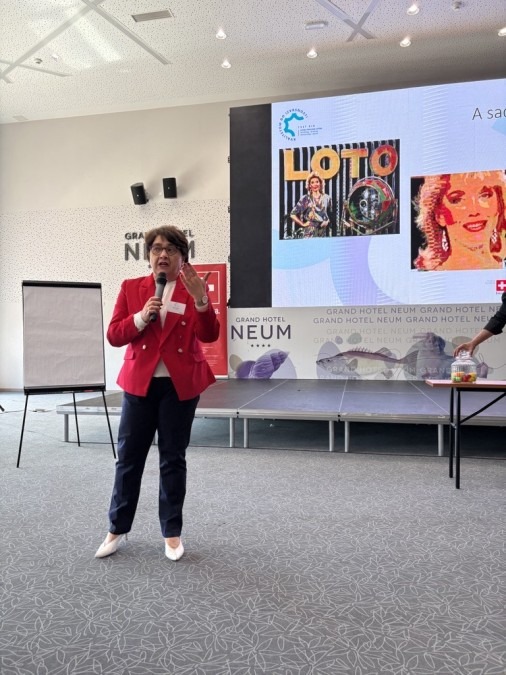
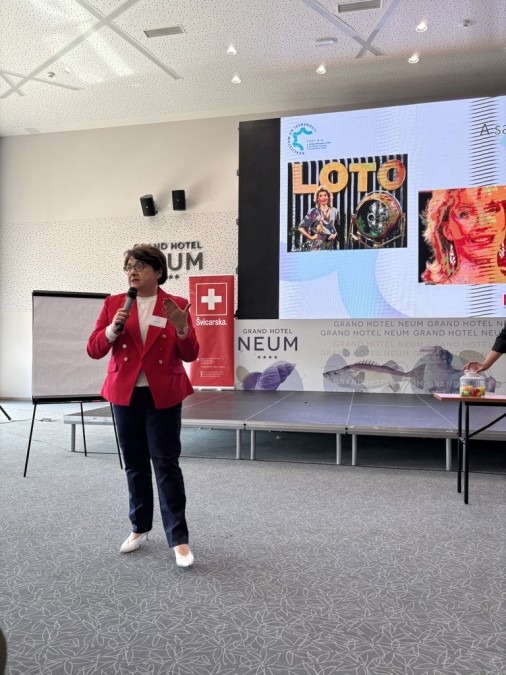
The workshop is facilitated by Ivona Čelebičić and Nedžada Faginović, with Muharem Saračević. A dynamic, hands-on atmosphere fosters joint learning and highly concrete work—from mapping the situation in schools, through alignment with EQAVET principles, to defining measurable steps that schools will implement upon returning.
A focus on EQAVET means strengthening a culture of quality and trust in vocational education: clearer indicators of success, better use of data (including findings from the VET Barometer), and continuous improvement of teaching and learning processes. This raises the relevance of programs for labor market needs and ensures that students acquire applicable skills, while schools gain a solid framework for planning, monitoring, and reporting.
Expected outcomes of the workshop include improved draft curricula, standardized self-assessment templates, and clear school-level action plans, as well as agreed mechanisms linking internal and external evaluation. All of this represents an important step toward the sustainable improvement of vocational education in Bosnia and Herzegovina.