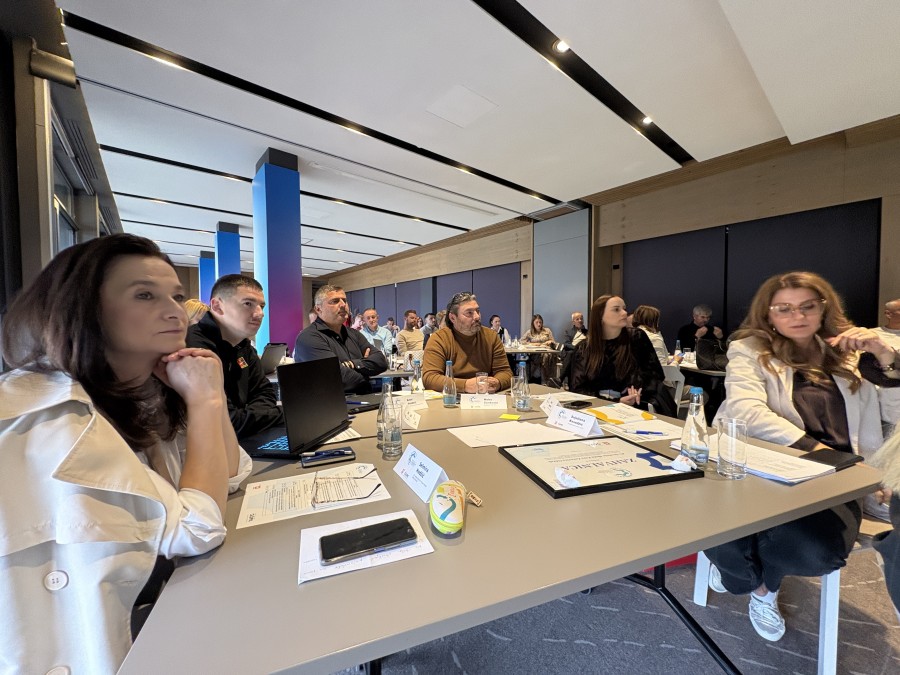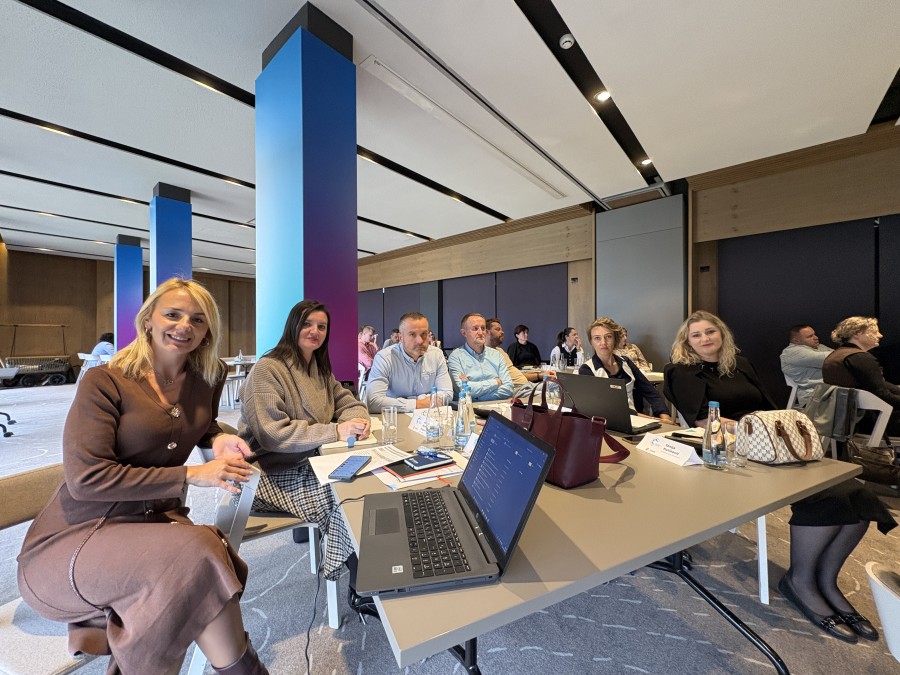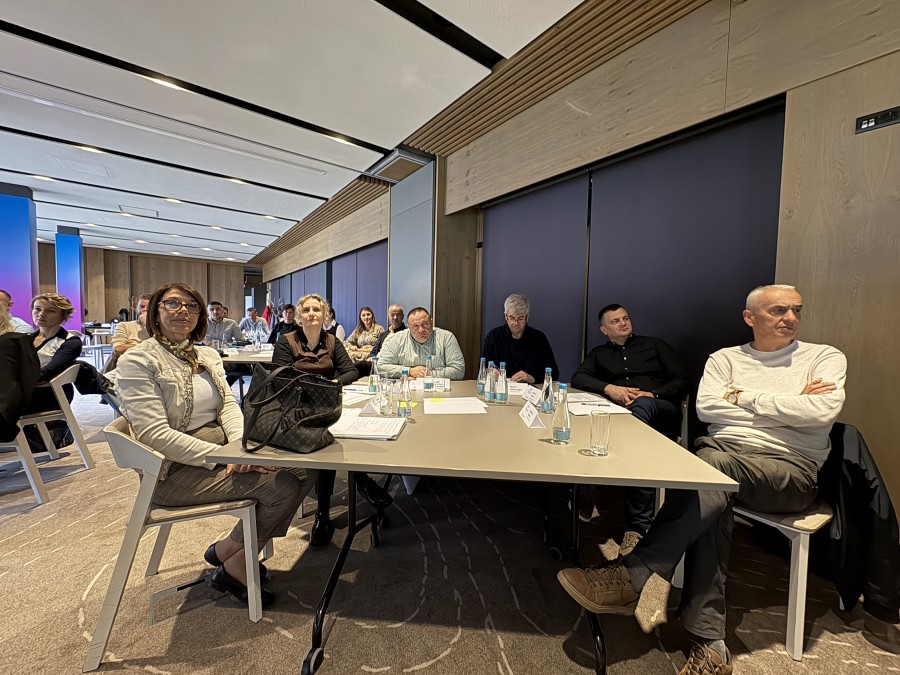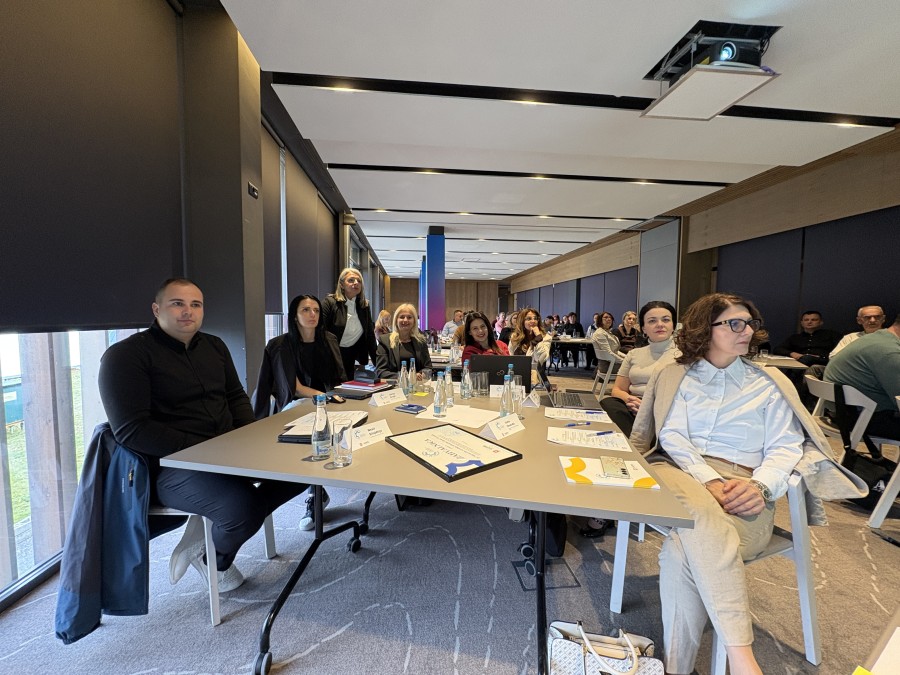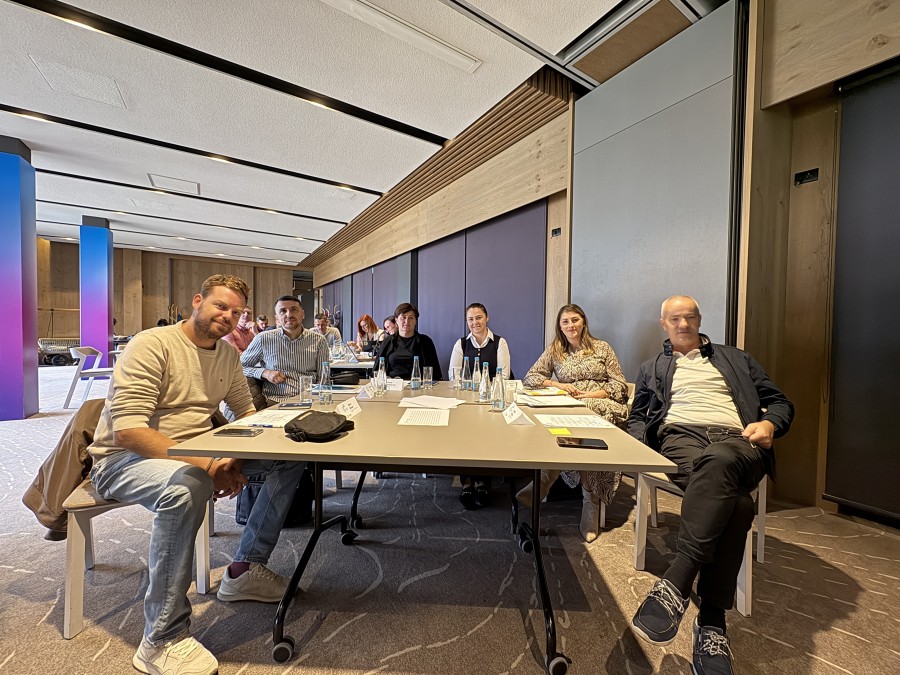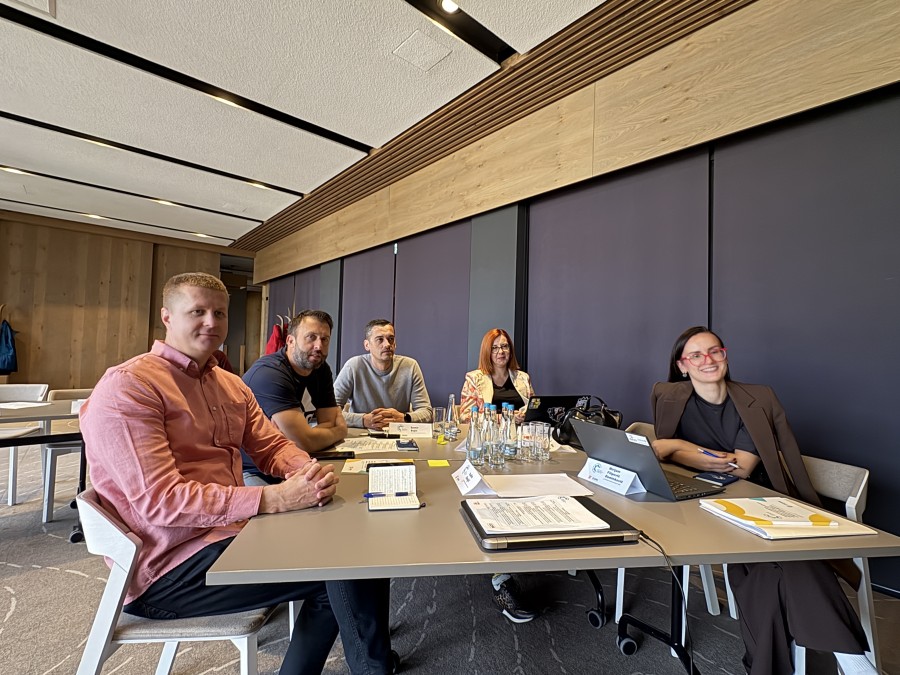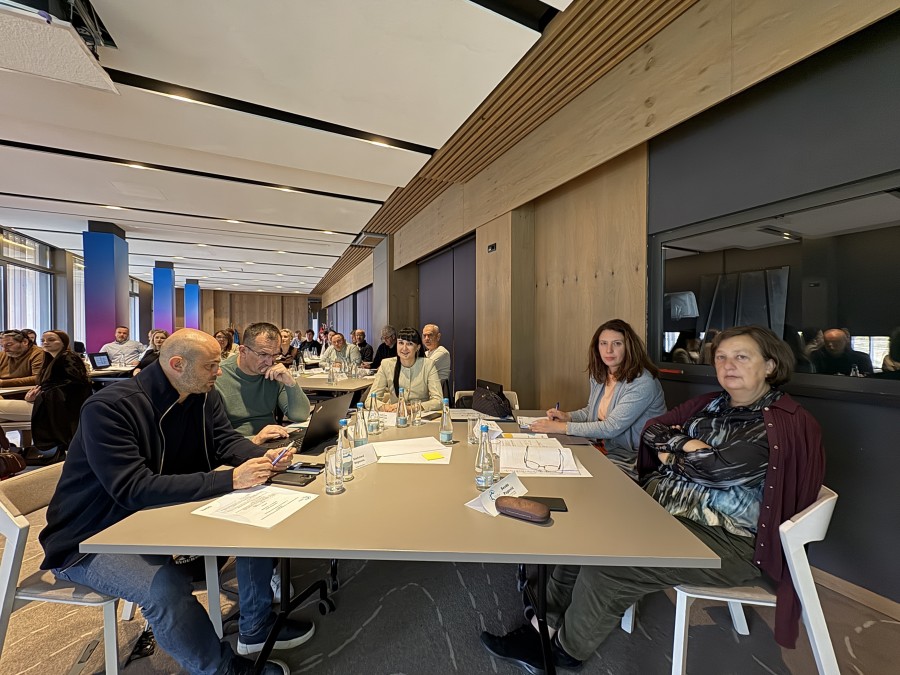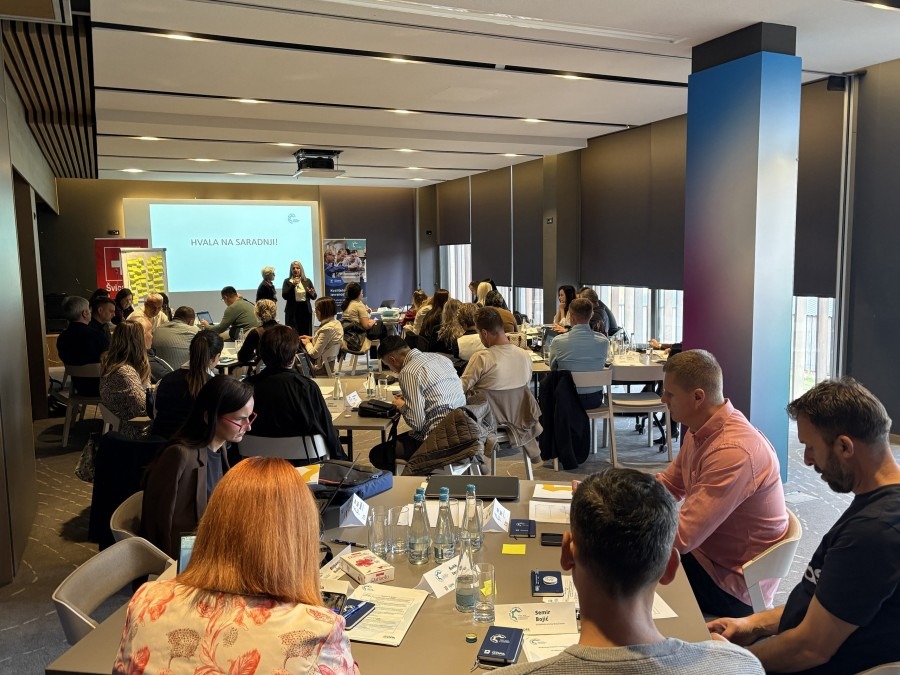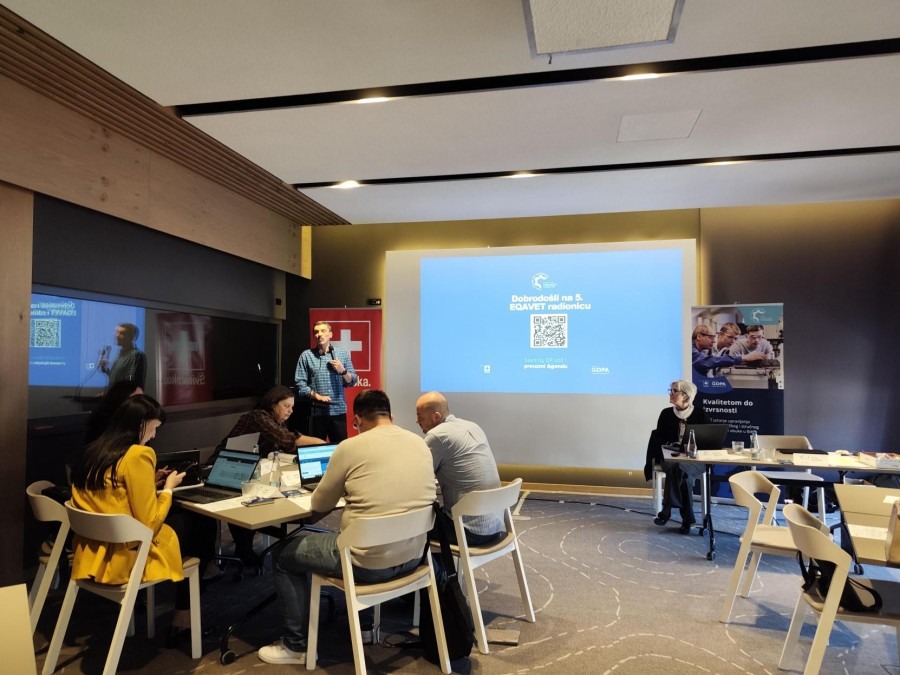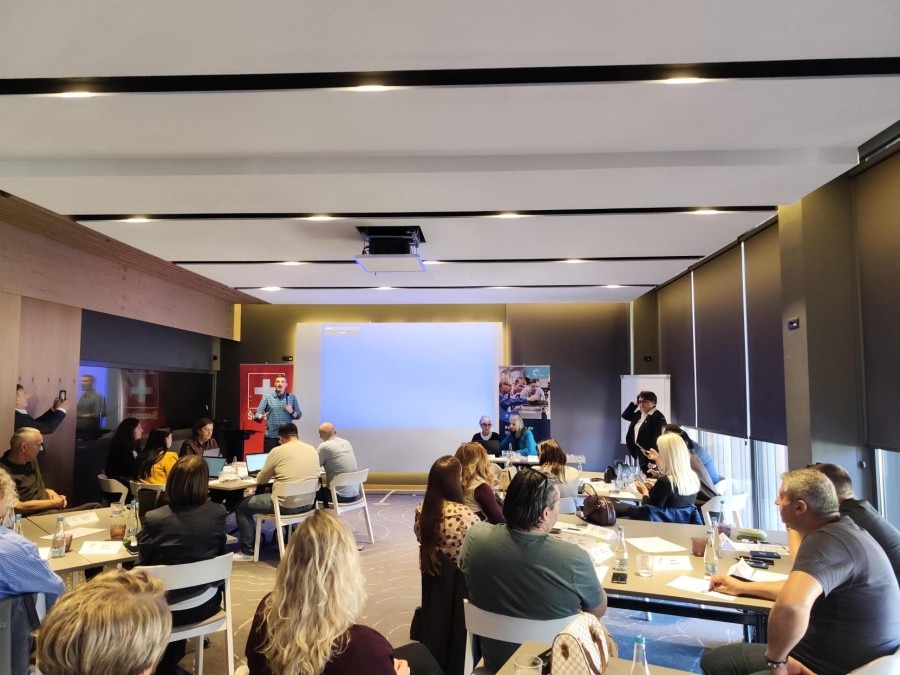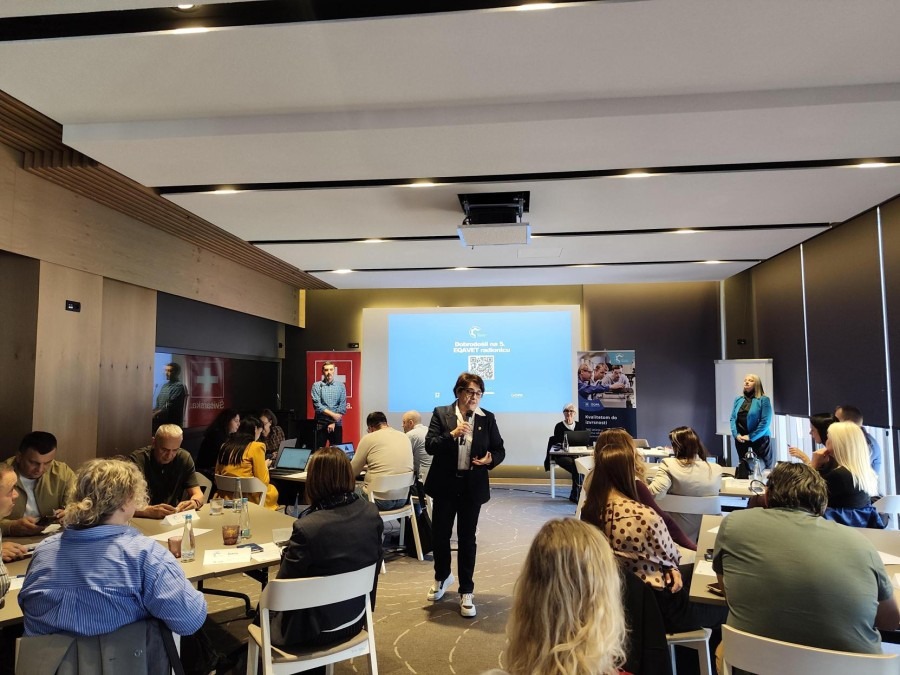
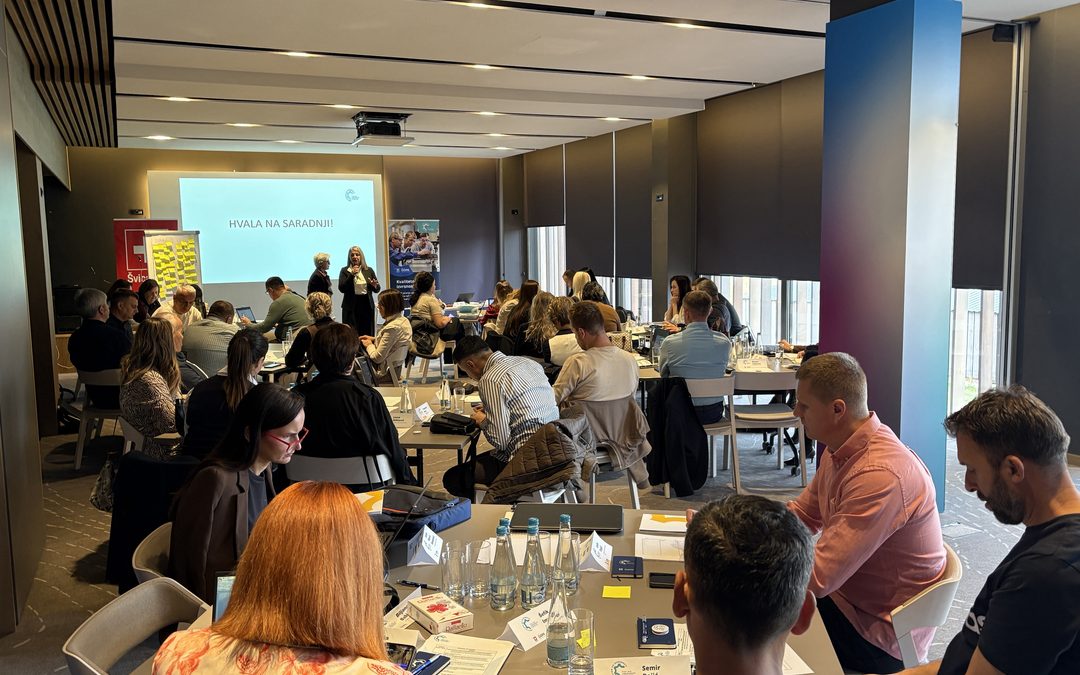
Igman, 14 October 2026 – The fifth three-day workshop within the project “Strengthening the TVET System in Bosnia and Herzegovina” began today on Igman, focusing on further strengthening quality assurance in secondary vocational education and training in line with the principles of the EQAVET Framework.
The workshop builds on the continuous work with schools initiated through previous activities and workshops, and in particular follows up on the outcomes of the previous workshop cycle. While the previous cycle focused on the development and improvement of Action Plans and self-assessment processes, the fifth workshop places particular emphasis on preparing schools for peer learning and the exchange of practical experiences in line with the EQAVET Framework.
The fifth workshop brings together representatives of 21 schools from 10 cantons of the Federation of Bosnia and Herzegovina and one school from Brčko District. This diversity of participants provides an opportunity for schools from different contexts to exchange experiences while addressing common challenges related to strengthening quality assurance.
Over the three days, participants will explore key topics relevant to further developing a culture of quality in schools through interactive work, discussions, practical exercises and peer exchange, including:
- reflection on previously implemented activities and preparation for peer learning;
- school self-assessment, reporting and improvement planning as an integral part of the school’s annual work plan;
- a systematic approach to planning, implementing and monitoring quality assurance activities;
- peer learning through school visits and the exchange of experiences;
- implementation of activities, reporting and preparation of supporting documentation;
- transfer of knowledge and good practices to other schools;
- presentation of the Guide for the Application of the EQAVET Framework in Vocational Education and Training in Bosnia and Herzegovina – methodological guidance for planning and conducting self-assessment;
- defining the next steps.
The particular importance of the fifth workshop lies in the transition from planning to practical implementation. Schools have the opportunity to reflect on what has been achieved, what changes have taken place, what challenges they have encountered, and how these experiences can inform the next cycle of self-assessment. Through peer learning, the experience of one school becomes a valuable resource for others, with learning taking place through critical peer reflection, concrete examples, dialogue and mutual support.
The workshop content is designed to connect the work carried out so far with the next steps. Participants revisit previously defined activities and Action Plans, as well as the self-assessment process, exchange experiences from their implementation and prepare for the next stages of self-assessment and peer learning. In this way, the workshop serves not only as a space for acquiring new knowledge, but also as an opportunity to reflect on their own practice, identify areas for improvement and jointly explore solutions.
Establishing a systematic quality assurance approach in schools is a continuous process that requires the engagement of different stakeholders – from teachers and school teams, through school management, to education institutions and other relevant partners. Furthermore, the application of the European quality assurance framework in vocational education and training contributes to the broader process of alignment with EU standards and practices. Activities such as this workshop therefore contribute to building a shared understanding of quality and creating a network of schools that can learn from and support one another.
The fifth workshop represents another important step in strengthening schools’ capacities to plan, implement, monitor and improve quality assurance activities. By linking previously developed plans with experiences from their implementation, schools continue to build a sustainable quality assurance system focused on the continuous improvement of the educational process and better learning outcomes for students.