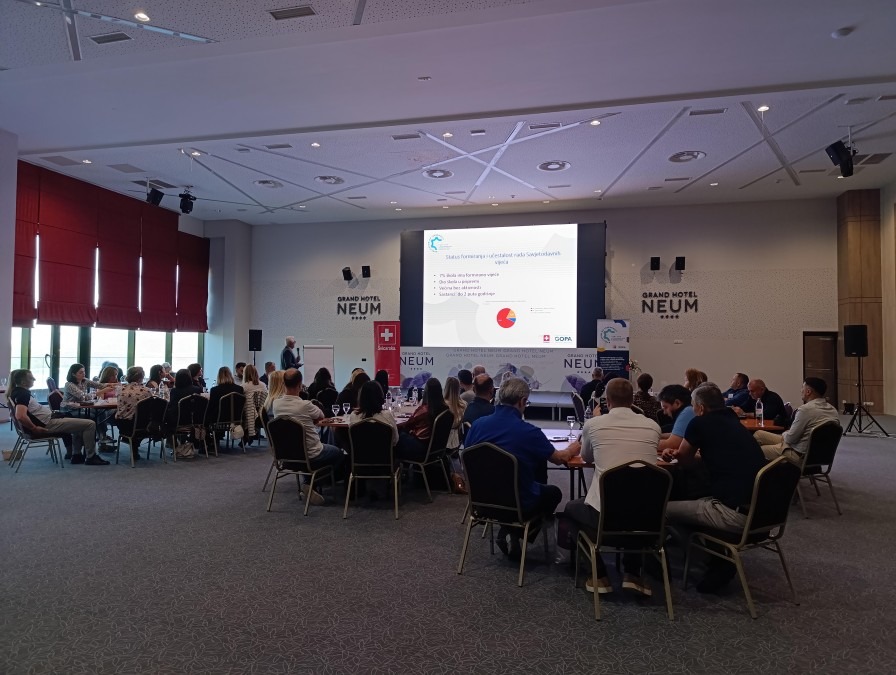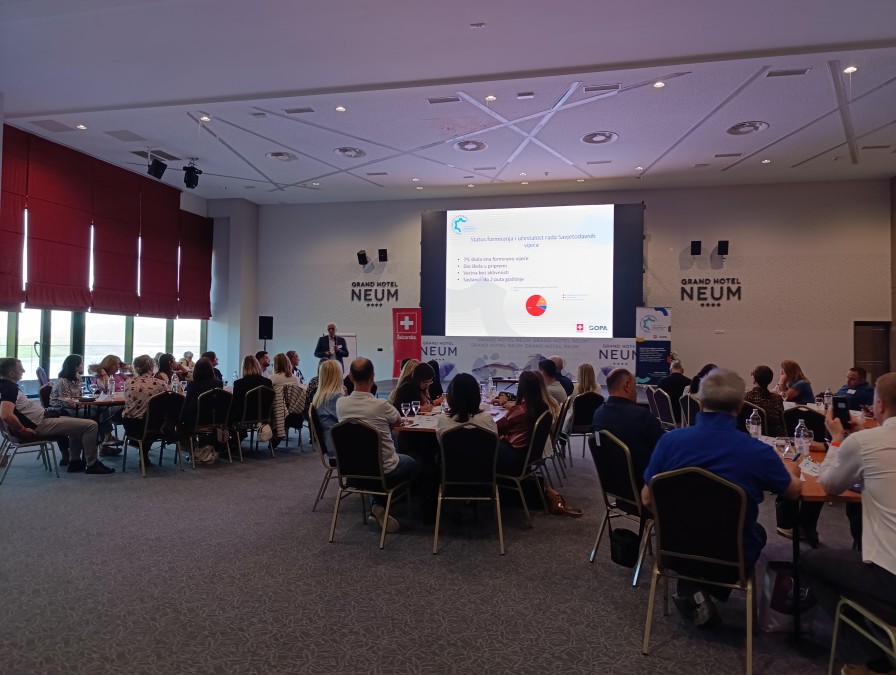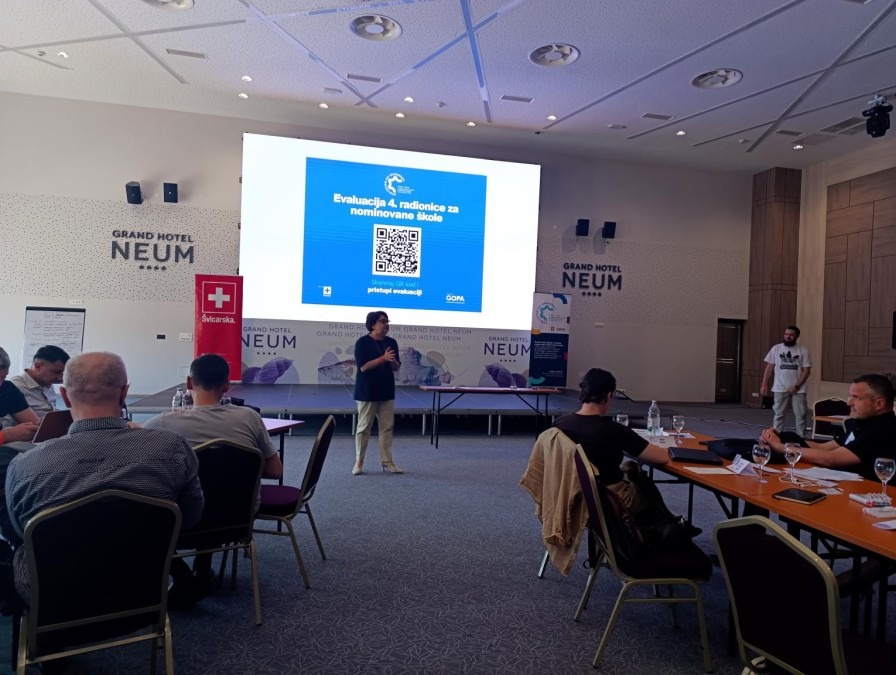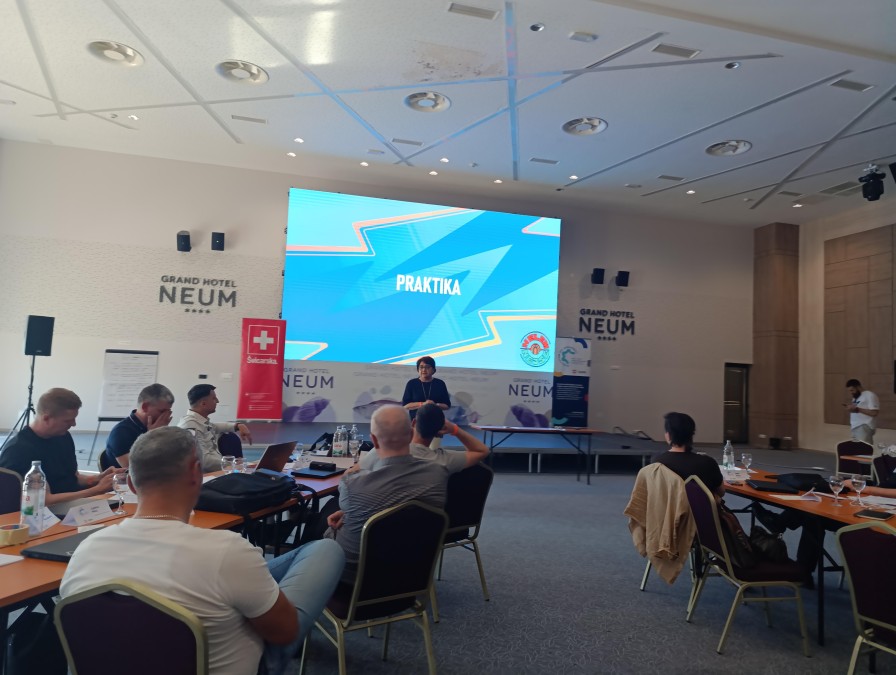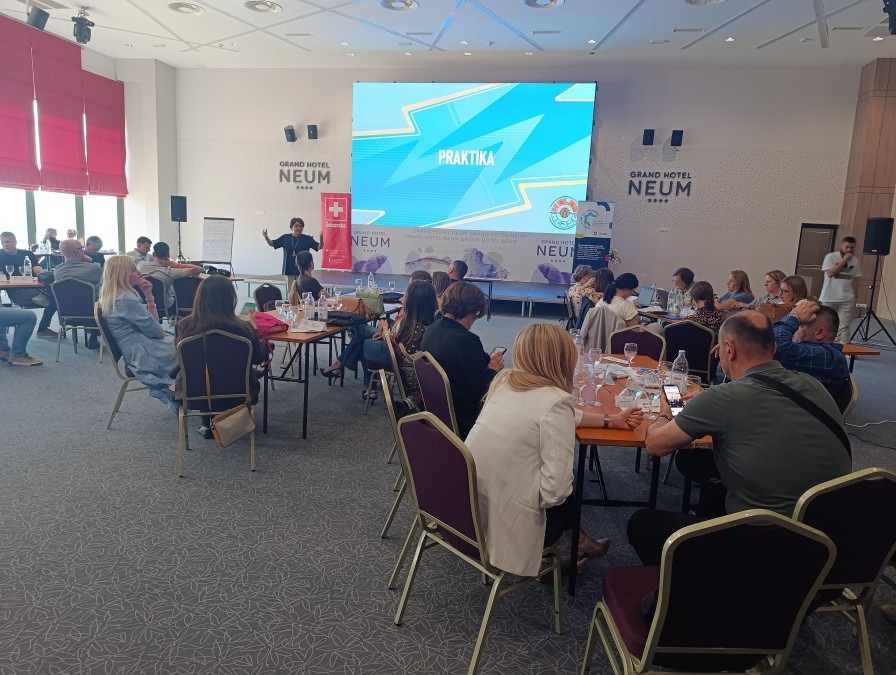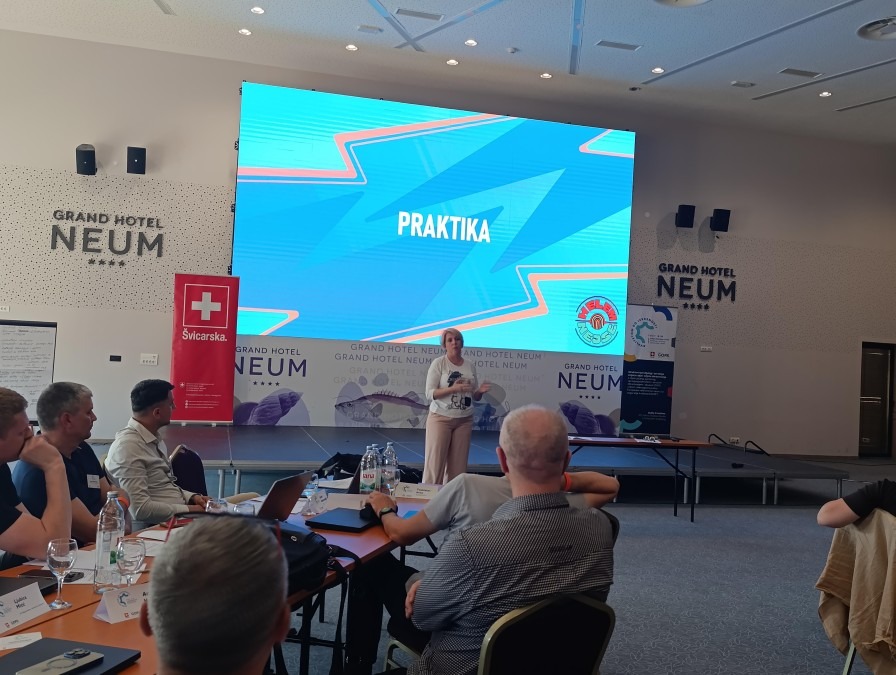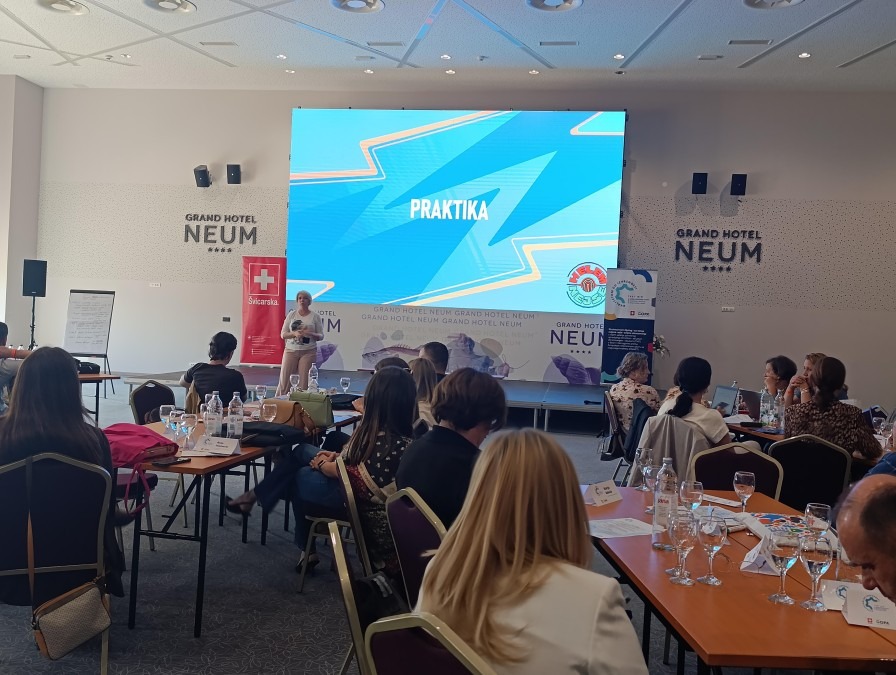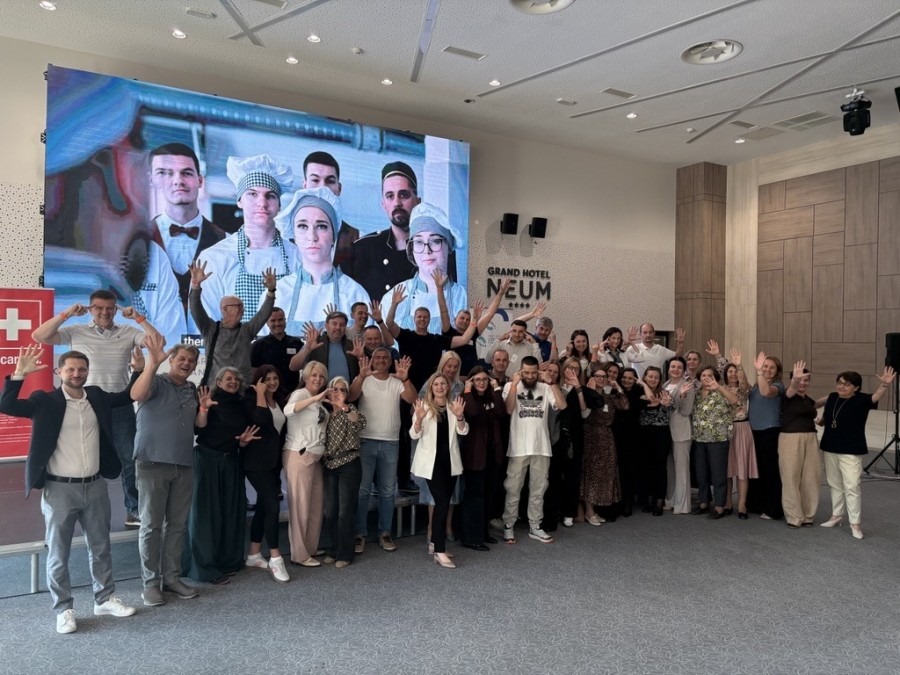
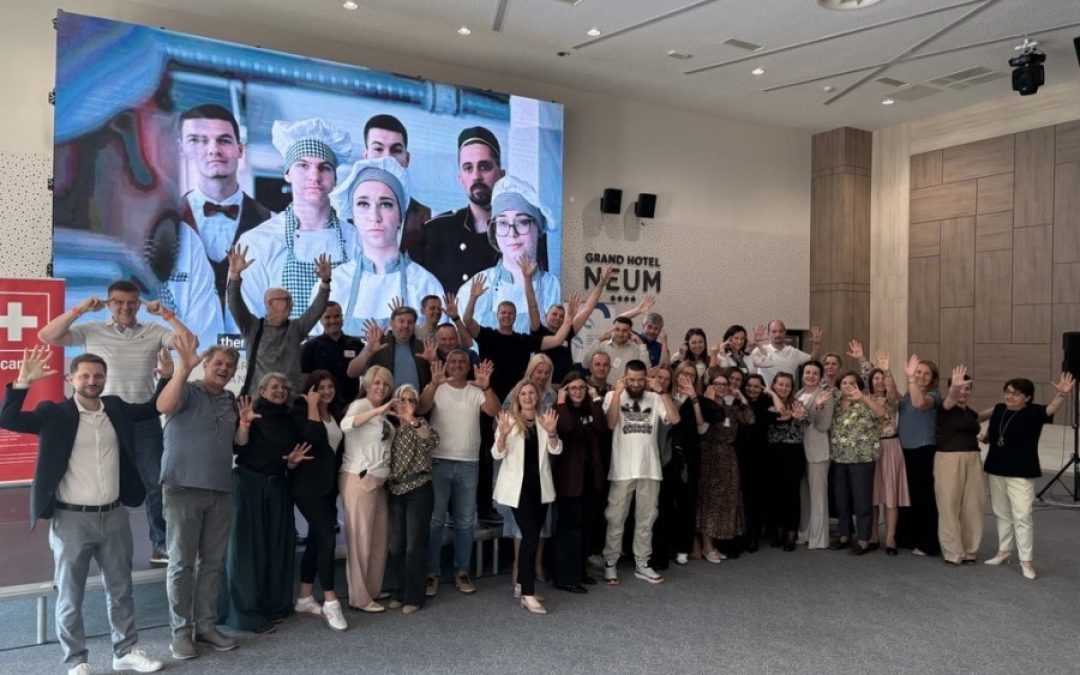
The second day of the fourth workshop with nominated schools within the EQAVET process was held on Tuesday, April 28th, 2026, featuring a rich program and active participation of representatives from nominated schools and educational authorities.
The working day began with a presentation and discussion on the institutional and legal framework for curriculum revision, led by Muharem Saračević, GOPA project associate. Participants had the opportunity to engage in open dialogue and become acquainted with current legal solutions and the challenges accompanying the process of curriculum improvement.
Afterwards, the focus shifted to the process and steps for curriculum revision. Through an interactive presentation, Mr. Saračević outlined specific phases and methods that schools can apply to ensure the quality and relevance of education in accordance with EQAVET standards.
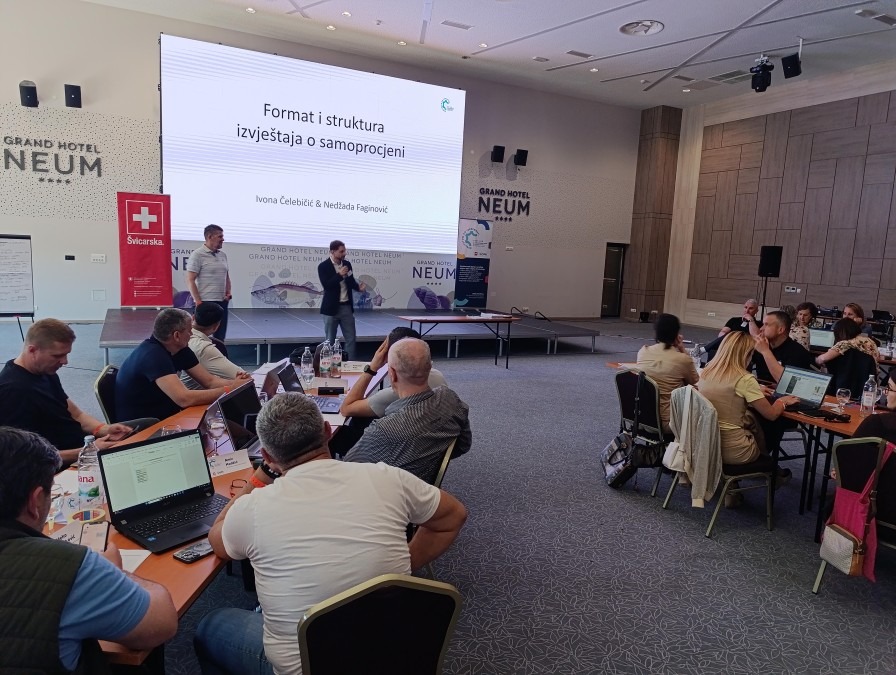
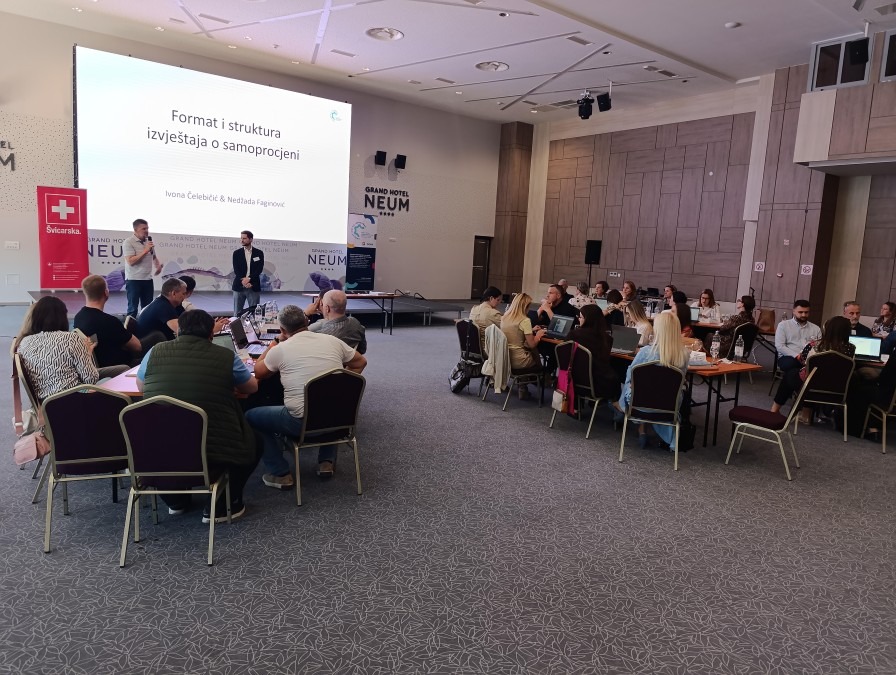
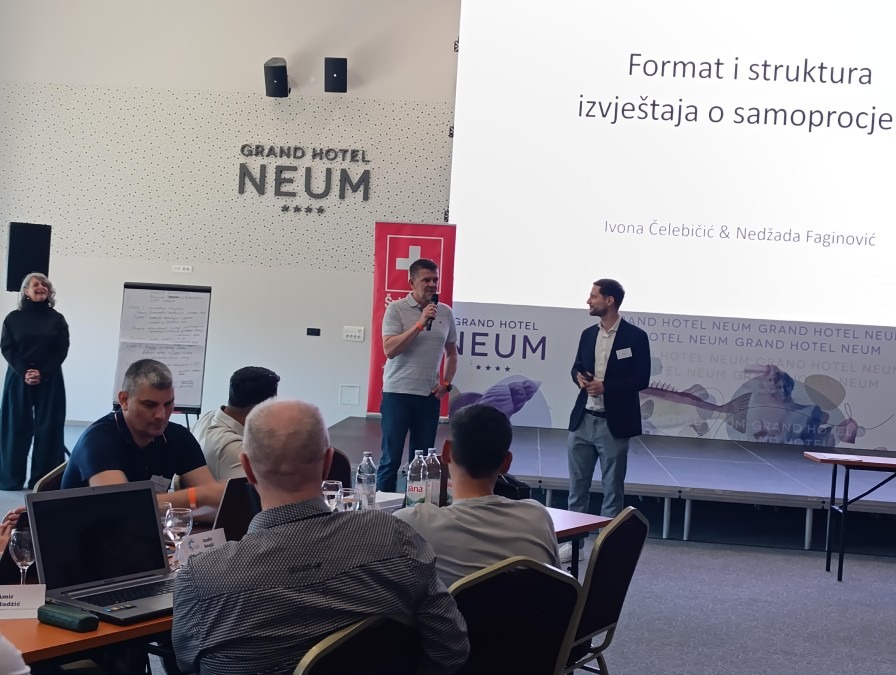
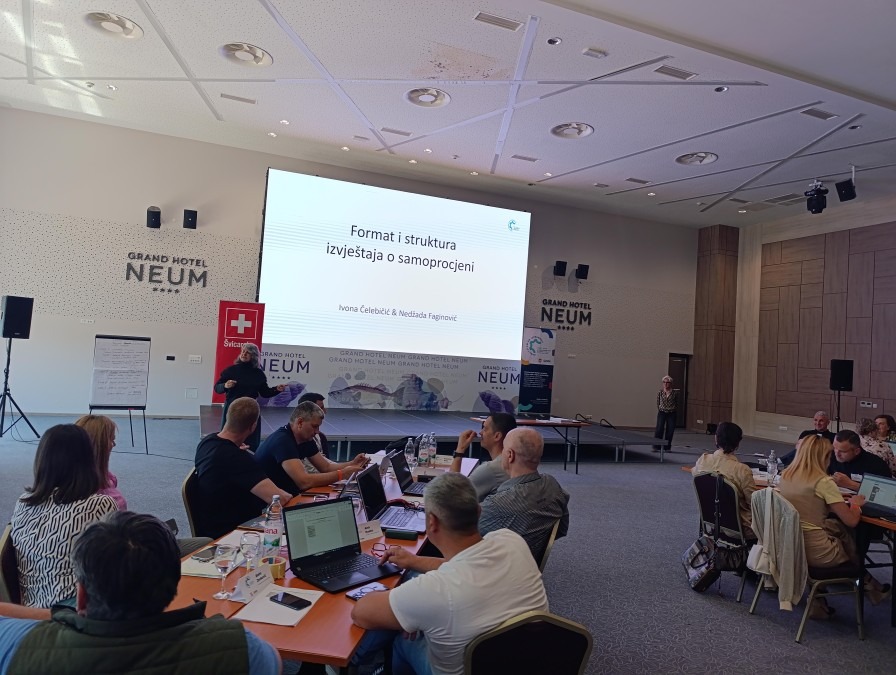
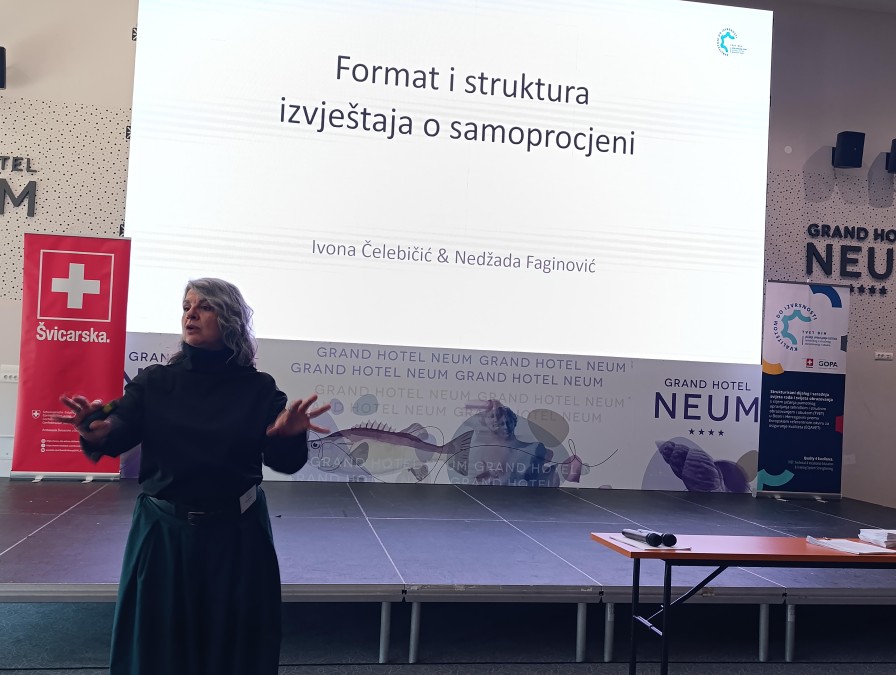
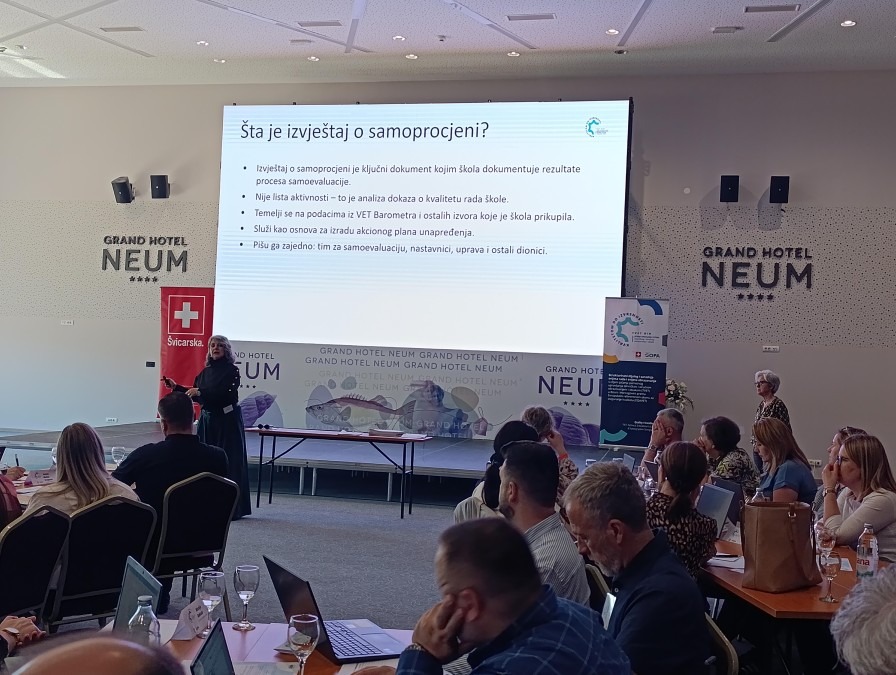
Special attention was given to the format and structure of the self-assessment report, which was the topic of exercises and interactive work led by Ivona Čelebičić and Nedžada Faginović, GOPA quality assurance mentors. Participants had the chance to deepen their understanding of how data is collected and analyzed through practical tasks and collaborative work, as well as how the results of self-assessment can be used to improve school performance. The use of data from the VET barometer as support for the self-assessment process was also discussed.
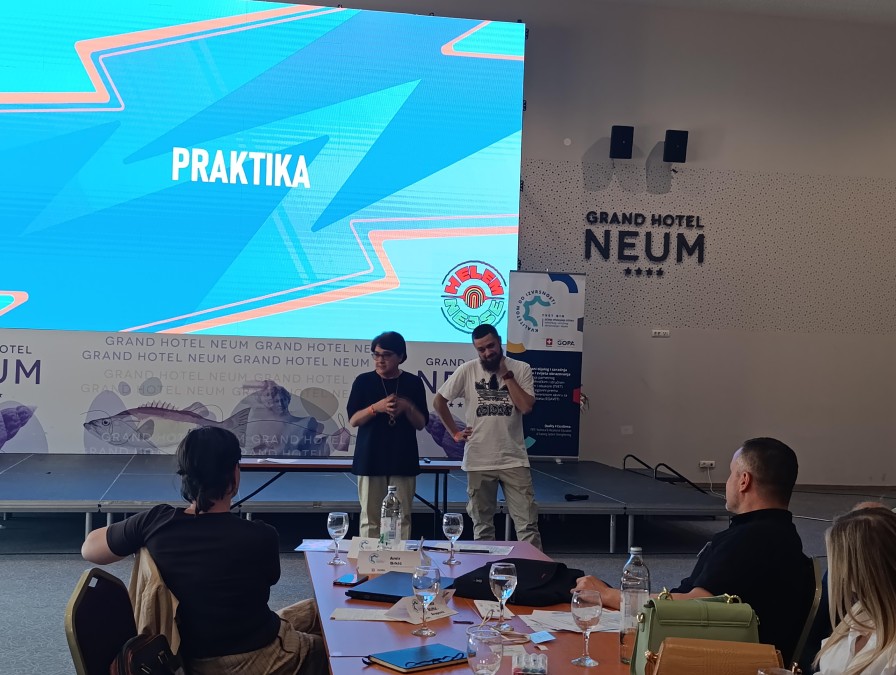
One of the most inspiring moments of the day was the creative discussion entitled “Hip hop and TVET hand in hand,” during which the frontman of the group “Helem Nejse,” Amer Čanković, addressed the participants. In brief points, he described the process of creating the song “Praktika,” emphasizing the importance of practical skills, creativity, and collaboration in education and art. His presentation further motivated the participants to think about innovative approaches in working with students.
The second day of the workshop was marked by the exchange of experiences, joint learning, and inspiring conversations, once again confirming the importance of continuous professional development and cooperation among schools in the process of ensuring the quality of education according to the EQAVET framework.